
What is CUI and why is it a problem?
Under-insulation corrosion (CUI) occurs when moisture penetrates the insulation material, leading to corrosion of the underlying metal surfaces such as pipes, vessels, and tanks. This problem can occur on both carbon steel, stainless steel and cast iron. CUI typically occurs in the temperature range of 0-180°C, where condensation easily forms.
In industry, "corrosion under insulation", commonly referred to as CUI, accounts for a significant proportion of the total maintenance budget and is the most common cause of unplanned and costly downtime.
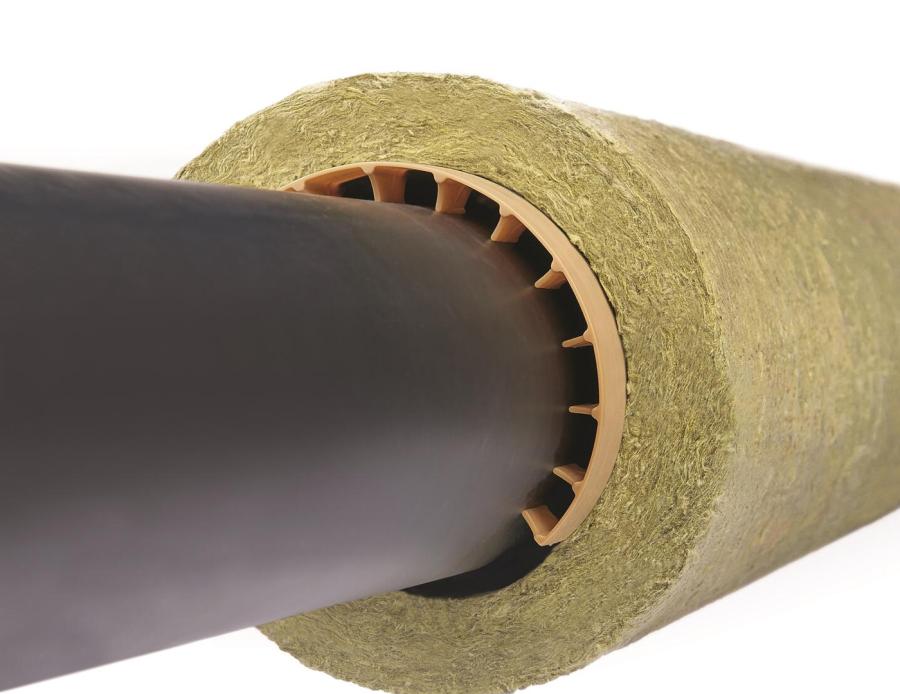
The solution: Essge NCS Spacer HT
ESSGE NCS is a reliable, tested and quickly installed system with superior ability to reduce corrosion under insulation on pipes and tanks. The effect of distance insulation has been tested and recommended in the Norwegian gas and oil sector to extend the lifetime of pipe installations.
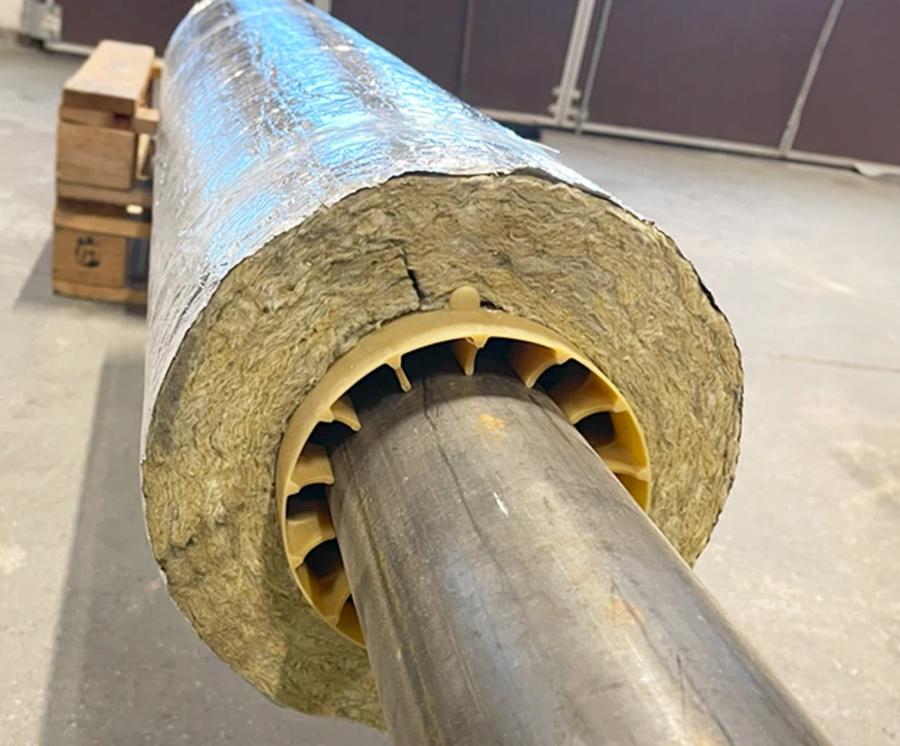
The space between the insulation and the pipe ensures a continuous flow of air that keeps the surface dry from condensation. The air gap prevents moisture ingress from coming into direct contact with the pipe.
The unique design of the spacer system makes it possible to maintain the distance between the pipe and the insulation during installation, without the use of tools. The spacing system consists of rings, ribbons and buttons. These are made of heat-resistant polymers, which are assembled without the risk of damaging coatings, paints or heat-emitting cables.
The system consists of three products:
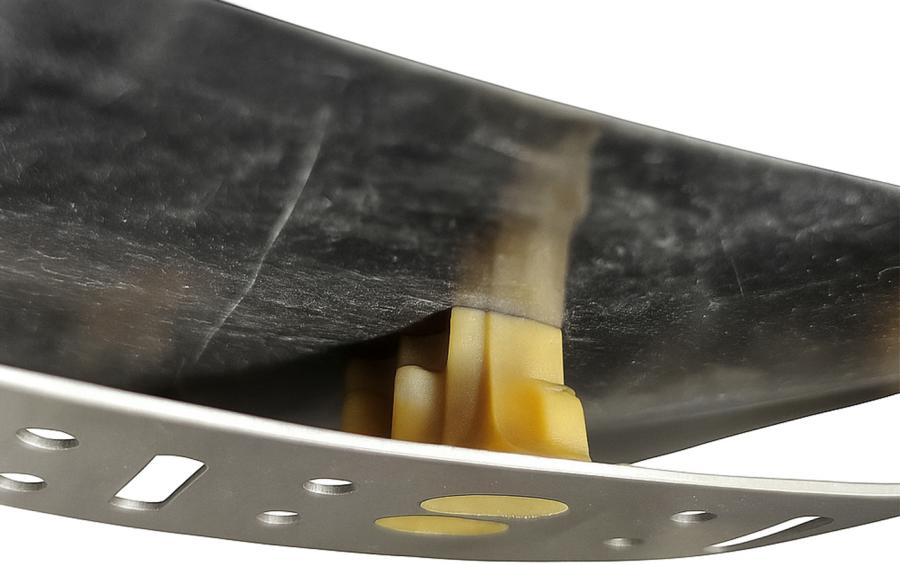
1. Spacer band (ESSGE NCS Band)
Essge NCS Tape prevents CUI on large pipes and tanks. The tapes are made of spacers, molded into AISI 316L stainless steel band, to prevent CUI. Assembly is easy thanks to pre-made grooves used with stainless steel rivets, for joints and fasteners.
Essge NCS tapes are normally supplied in 10-metre rolls, but can be made in custom lengths.
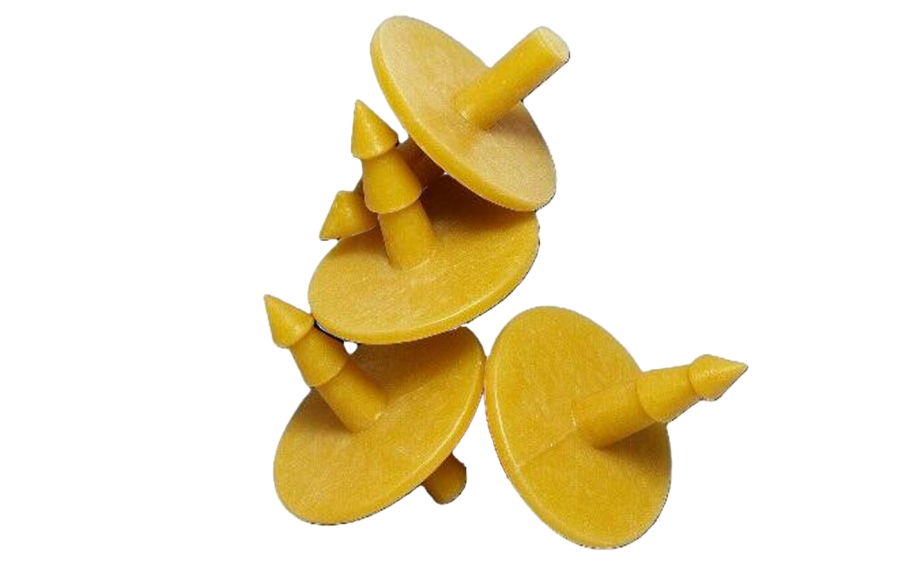
2. Avstandsknapper (ESSGE NCS Button)
The spacers act as a complement to the spacer rings for sharp bends on small pipes, where the rings are too wide to fit properly. These buttons can also be used on straight pipes, with the same corrosion prevention function, but take longer to install compared to the rings.
The buttons are used in bends on pipes up to the largest dimensions where the rings can be mounted normally (Ø169–222 mm). The spacer creates a 12.5mm air gap between the pipe and the insulation.
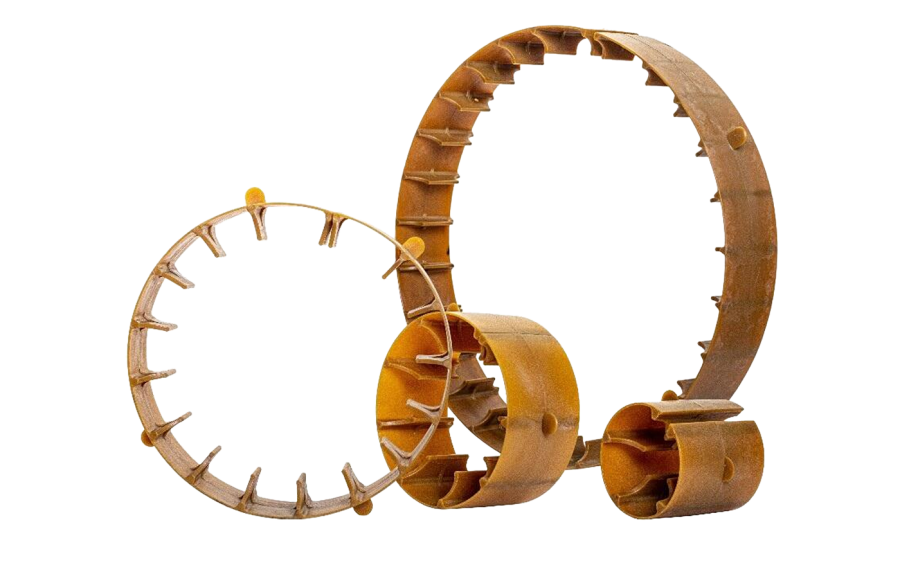
3. Avstandsringer (ESSGE NCS Ring)
- Available in dimensions from Ø18 mm to Ø318 mm
- Air gap between 15-18 mm depending on size
- 3 pieces per meter of pipe are recommended (CC distance 330 mm, distance knob in joints)
Technical specifications
- Material: Heat-resistant polymers
- Maximum operating temperature: HT (High temperature) 160°C continuous, MT (Medium temperature) 100°
- Short-term temperature: HT short-term temp 219°C · Flammability: 5V according to UL 94 - Lowest possible for polymers
- Toxicity and smoke density: Class F1 according to NF F16-101 - Polymer allowed to be used in passenger trains
- Approval: TR 1660 (Equinor standard)
- Assembly: No tools required
How does Essge NCS work?
The space the solution creates between the insulation and the pipe ensures a continuous flow of air that keeps the surface dry from condensation. The air gap prevents direct contact between the insulation and the pipe, protecting the pipe from moisture.
Using air gaps/spacers to break direct contact between insulation and pipe prevents wet insulation from being in direct contact with the pipe and improves the drainage and drying properties of the insulation system.
The advantages of the Essge NCS Spacer HT
Economic benefits:
- Reduces the cost of maintenance and repairs
- Increases the lifespan of the plants
- Low cost of assembling the product
- Saves a lot of time during installation
Technical benefits:
- Has a positive effect on thermal insulation
- Improves sound isolation – less noise
- Reduces the risk of leakage (cost and safety)
- Produced with a low climate impact
Practical benefits:
- No tools are required for assembly
- Installs without the risk of damaging coatings, paint, or heat-emitting cables
Conclusion
CUI is one of the biggest safety challenges on the Norwegian continental shelf and leads to large costs related to inspection and maintenance. Essge NCS offers a preventive solution that effectively prevents corrosion under insulation.
Note: This article provides general information. For full technical specification and correct use of the product, refer to the current product data sheet or contact ISOPARTNER.